
Pentadecapeptide
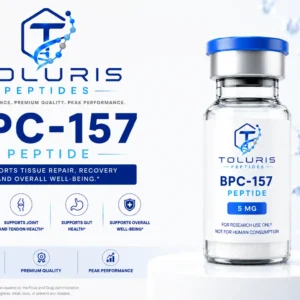
Pentadecapeptide typically denotes a peptide fragment composed of fifteen amino acids, most frequently linked to the BPC family of regenerative compounds. It is studied for its possible contributions to tissue healing, maintenance of gut barrier function, regulation of inflammation, and support of musculoskeletal recovery. Due to its role in cellular communication, promotion of blood vessel formation, and involvement in protective repair mechanisms observed in experimental settings, it is commonly grouped with healing peptides.
Within research applications, the term “pentadecapeptide” is often used more broadly to describe BPC-157-like regenerative peptides, particularly in studies focused on recovery, injury healing, and gastrointestinal protection.
Also known as: BPC-157 Full Sequence, Stable Gastric Pentadecapeptide
•Typical administration: Dosage information is limited and primarily based on informal community reports (refer to available research protocols). Typically administered via subcutaneous injection.
•Primary research focus: Investigated for its potential in promoting tissue repair, supporting gastrointestinal health, and enhancing recovery from injuries.


Reviews
There are no reviews yet.